 AION NETWORKSearch
Waiting for Care at Ridge Hospital: One Patient’s Night in Accra
Ridge Hospital waiting times are central to Sandra Yayra Agudu’s personal account of patient communication, dignity and empathy in Accra.

Personal account ·
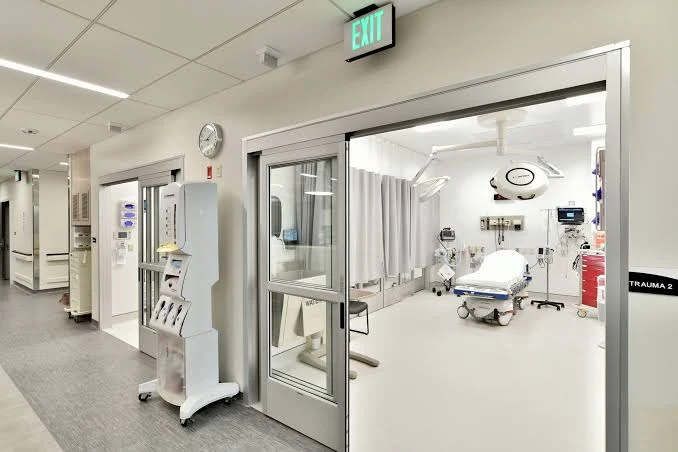
My experience as a patient at Ridge Hospital began with severe stomach pain on campus. By the time I reached the hospital, I wanted to know what had caused it and when someone would see me. Ridge is formally known as the Greater Accra Regional Hospital.
From campus to Ridge Hospital
While on campus, I suddenly developed severe stomach pains. With no sick bay available at my school and no immediate family nearby, I felt lost and unsure of where to turn for help. My first point of contact was the school’s security personnel, who did their best to assist me despite the limitations they faced.
Concerned about my condition, they offered me Paracetamol to provide temporary relief while a more suitable medication could be found. However, the pain was so intense that I resisted taking any medication that did not directly address the problem. After much persuasion and back-and-forth discussions, I eventually agreed and was advised to seek treatment at Ridge Hospital.
That was where a different kind of pain began.
What I experienced while waiting for a doctor
By the time I arrived at the hospital, hours had already passed. The pain had begun to subside, but I remained concerned about what had caused it. After my vital signs were checked, I was directed to a waiting area and informed that I would have to wait for a doctor. The doctors currently on duty had completed their shifts, and another doctor was expected to arrive.
Like many patients in the room, I waited patiently.
When the doctor finally arrived, however, the experience left me questioning the state of healthcare in Ghana. Patients who had been sitting for hours expected swift attention, but the process appeared disorganized. The doctor attended to a few people, then repeatedly stepped out, engaging in conversations and moving around while dozens of patients continued waiting.
At one point, it was said that none of the patients present had a condition serious enough to warrant immediate attention and that everyone would simply be seen in turn.
Perhaps medically that assessment was correct.
What would improve the patient experience at Ridge Hospital?
But healthcare is not only about physical illness. It is also about reassurance, dignity, communication, and empathy.
Sitting in uncertainty for hours while unwell can be emotionally exhausting. Patients arrive at hospitals worried, vulnerable, and often afraid. Long delays, poor communication, and apparent indifference can leave lasting psychological effects long after the physical symptoms disappear.
The experience raised difficult questions.
Should emergency cases be assessed differently from routine cases? How are waiting times managed? Are hospitals overwhelmed by patient numbers, understaffed, or struggling with resources? And at what point does delayed care become a public concern rather than an individual frustration?
For many Ghanaians, the alternative is private healthcare, which often comes at a significantly higher cost. Faced with long waiting times in public facilities and expensive treatment in private ones, many people feel trapped between affordability and convenience.
Questions about healthcare in Ghana
I can speak to what I experienced on that visit to Ridge Hospital. It left me thinking about what clear communication could have changed for the people waiting with me. Behind every patient waiting on a hospital bench is a person seeking not only treatment but also comfort, attention, and hope.
Healthcare should heal people, not leave them feeling abandoned.
And until patients feel genuinely seen, heard, and cared for, many will continue to leave hospitals carrying more than their illnesses. They will leave carrying the memory of an experience that made them feel forgotten.
Read another first-person account from AION about what a journalism student learned from listening to people in Accra.