 AION NETWORKSearch
University of Ghana Hostel Fees Rise: What Students Face Beyond Tuition
University of Ghana hostel fees are part of a wider debate about accommodation, food and transport costs that can put students’ education out of reach.

Education commentary ·
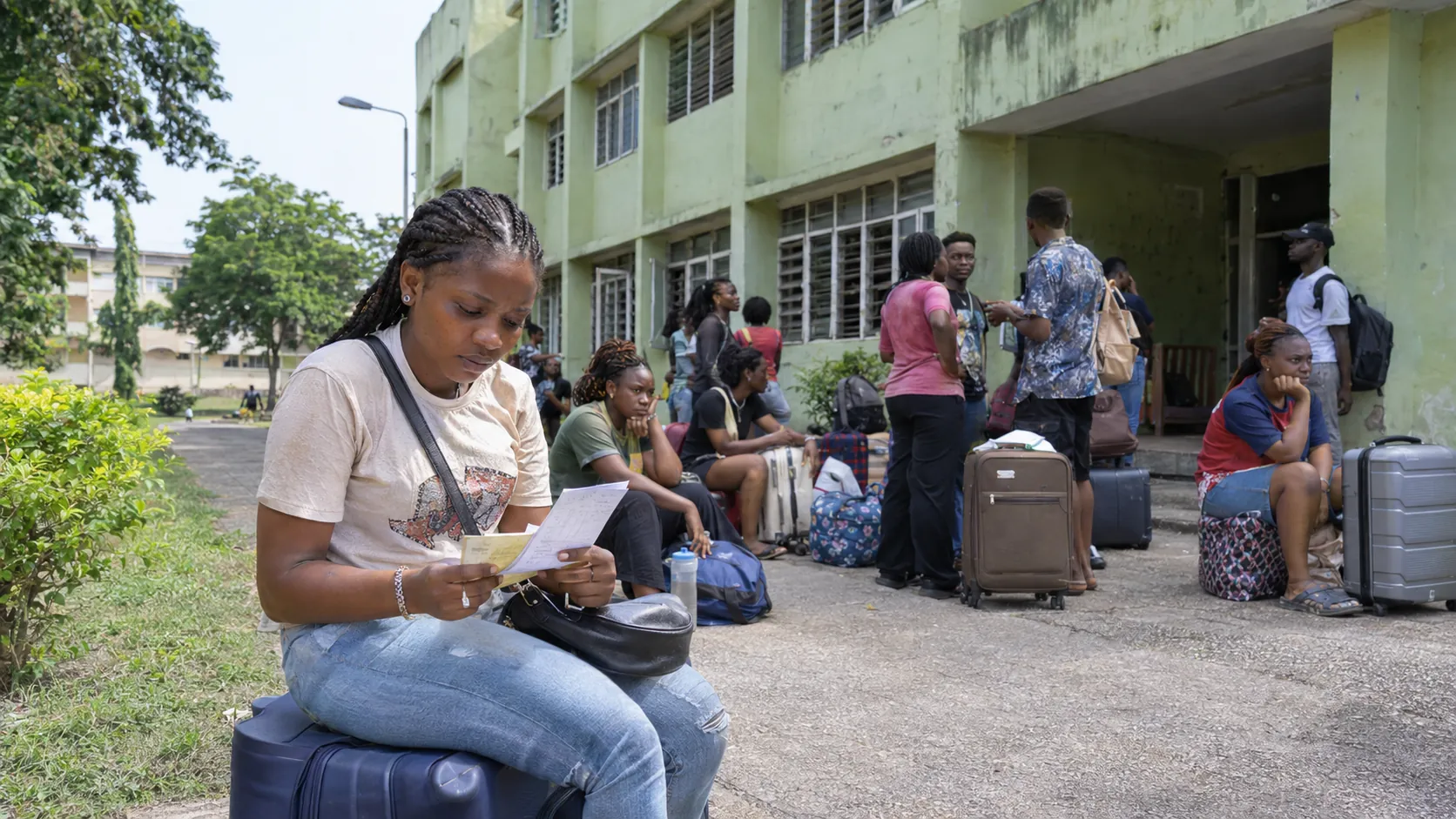
University of Ghana hostel fees for 2026/2027 rose to GH¢8,050 per student for a standard four-bed room in the four Diaspora Halls. The revised fee followed student opposition to a larger proposed increase. For families, the dispute illustrates how much university costs can extend beyond tuition.
However, the excitement of gaining admission may soon be met with a difficult reality: the cost of living and studying away from home.
For parents who already struggle to pay school fees and provide basic needs, accommodation, feeding and transportation can become an additional burden. The cost of a university education goes beyond tuition fees, and for some families, every extra expense makes the dream more difficult to achieve.
What changed in the 2026/2027 hostel fees
This concern has come into focus following recent protests by students of the University of Ghana over accommodation charges. The controversy began after a proposed increase in hostel fees by the University of Ghana Enterprises Limited (UGEL), raising concerns about the affordability of university accommodation.
Although management revised the initial proposal, the new fees remain higher than last year’s charges. The revised annual fee for a standard four-bed room in the four Diaspora Halls is GH¢8,050 per student, up from GH¢7,000. The university publishes its 2026/2027 residential fee schedules. The disagreement has, however, brought attention to a wider issue: the rising cost of pursuing higher education in Ghana.
What students pay beyond University of Ghana hostel fees
For many parents, university-owned or university-managed accommodation offers some peace of mind. They may feel more comfortable knowing their children are staying in facilities connected to the institution. It can also reduce the difficulties associated with finding accommodation in unfamiliar communities.
However, when these costs increase, families may be forced to consider alternatives. Renting outside campus may appear cheaper at first, but transportation, distance and concerns about personal safety can create further challenges.
For families that depend on farming, small businesses or irregular income, these expenses can have serious consequences. They may have to borrow money, use savings or make difficult sacrifices to keep their children in school.
How rising costs affect university opportunities
The effects may even begin before admission. Some young people may delay entering university while their families raise money. Others may reconsider their preferred institutions or courses because the cost of studying in a particular location is beyond what their families can afford.
This raises an important question: should a young person’s opportunity to pursue their educational ambitions be limited by the cost of accommodation and other expenses associated with university life?
Why tuition support alone is not enough
The government has introduced initiatives such as the No-Fees-Stress policy to ease the cost of tertiary education, alongside other forms of student support. However, academic fees are only part of the financial burden. Accommodation, feeding and transportation remain significant expenses for many families. This raises questions about how existing interventions can better address the wider cost of university education.
The University of Ghana accommodation controversy is therefore more than a disagreement over hostel fees. It reflects a wider concern about the financial challenges facing students and families across the country.
For any young person whose family is already struggling to afford higher education, gaining admission may be the first step towards a better future. But when costs continue to rise, even the sacrifices families make to keep their children in school may not be enough.
After all, gaining admission to university should open the door to opportunity, not leave young people wondering whether they can afford to walk through it.
Students who consider staying with family can also read AION’s guide to setting expectations before moving in with relatives.