Accra, Ghana — Recent citizenship discussions drew public attention to the expanding presence of Historic Diasporans across Ghana. As conversations unfolded across communities and institutions, one shared understanding emerged: long-term growth requires clear structure, coordination, and accountable engagement.
From this period of reflection, The Black Agenda emerged.
The Black Agenda is a coordinated leadership framework formed by established Historic Diaspora organizations with active programs, sustained economic participation, and long-standing community engagement across Ghana. It provides an organized, accountable channel for direct representation that reflects the maturity, scale, and permanence of the Historic Diaspora presence today.
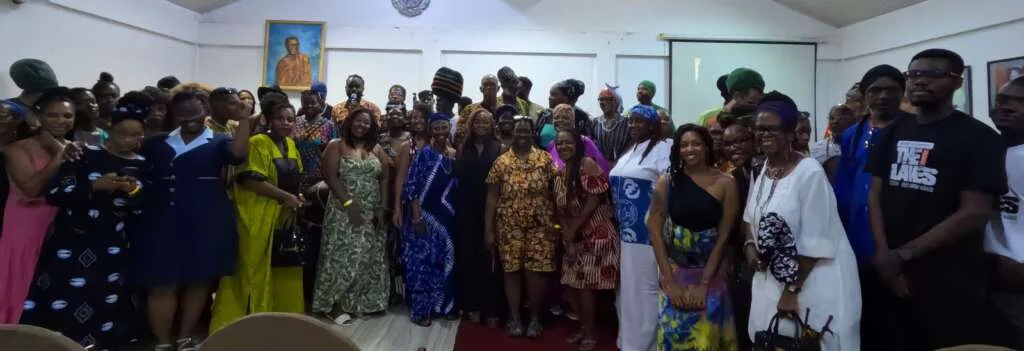
Shannan Nana Akosua Magee, a key figure in the Afrodescent Diasporan community in Ghana, stated “The drumbeat of our ancestors has awakened a new generation of leaders, and we’re honored to see the birth of a united Afrodescendence, where our voices, our cultures, and our contributions are celebrated and lifted.”
She is excited about the possibility of the African American Association of Ghana joining the Black Agenda.
Growth Created New Responsibilities
Over the past twenty-five years, Historic Diasporans have increasingly chosen Ghana as a place to live, invest, and build permanent futures. Families have settled across regions. Businesses have expanded. Cultural exchange has deepened. Educational, entrepreneurial, and community initiatives have grown alongside local partnerships.
With growth came increased impact.
Housing demand rose in certain districts. Land engagement became more active. Economic participation expanded. These developments created an opportunity while also highlighting the need for coordination and structured leadership capable of engaging constructively with national priorities.
The recent citizenship policy discussions did not create instability. Rather, they clarified the scale of Historic Diaspora presence and underscored the importance of direct, constituent-connected representation grounded in lived community experience.
The Black Agenda emerged in response to that clarity.
Honoring the Foundation, Expanding Leadership
Earlier phases of engagement between Ghana and the Historic Diasporans benefited from the visibility and commitment of figures such as Erieka Bennett and Rabbi Kohain, whose efforts helped build bridges during a formative period of reconnection.
As Historic Diaspora communities grew in size, diversity, and geographic spread, leadership structures naturally evolved.
The formation of The Black Agenda reflects a torch-passing moment — not a replacement of past leadership, but an expansion of participation to include a broader circle of organizations with direct, ongoing relationships to their constituents.
Today’s leadership alignment includes organizations connected to thousands of long-term residents, returning families, entrepreneurs, educators, and multi-generational Historic Diaspora communities across Ghana.
In growing communities, leadership expansion signals readiness for sustained and responsible national engagement.
Why Structure Matters Now
Historic Diaspora presence touches many aspects of daily life in Ghana. Conversations about housing affordability, land transactions, employment, and local economic participation occur alongside recognition of the significant cultural, professional, and financial contributions Historic Diasporans continue to make.
These realities benefit from coordination.
Structured leadership strengthens communication, improves planning, and reduces misunderstanding. When leaders with direct community ties engage openly and consistently, feedback becomes clearer, expectations are better aligned, and solutions are more balanced.
The Black Agenda provides this structure, replacing informal pathways with organized engagement rooted in accountability and transparency.
Integration as Stabilization
Integration extends beyond legal status. It includes cultural understanding, language, economic participation, and responsible community relationships.
Through coordinated efforts — including cultural orientation, Ghanaian language education, responsible housing engagement, and economic alignment — Historic Diaspora leadership supports balanced growth that benefits all stakeholders.
Ghanaian-born Ghanaians gain stability.
Dual Citizens gain clarity.
Historic Diasporans gain structure.
Integration strengthens predictability, and predictability supports sustainable growth.
Organizations Aligned Within The Black Agenda
Leadership within The Black Agenda includes representation from:
- Ghana Caribbean Association
- Decade of Our Repatriation (D.O.O.R.)
- Rastafari Council of Ghana
- Jamaican Affairs
- Repatriate to Ghana
- Abibitumi
- Real Repatriation Consultants
- Marcus Mosiah Garvey Foundation (MMGF)
Together, these organizations represent coordinated segments of Historic Diaspora communities across regions and sectors, reflecting long-term presence, organized constituencies, and a shared commitment to responsible engagement.
A Structured Step Forward
The emergence of The Black Agenda marks a defining phase in the evolving relationship between Ghana and the Historic Diasporans. It reflects growth, expanded leadership, and a readiness for sustained engagement grounded in organization, accountability, and respect for national stability.
As Ghana continues to strengthen its role as a global home for the African world, structured Historic Diaspora leadership contributes to continuity, predictability, and long-term nation-building.
The torch has passed into a broader circle.
That circle carries responsibility.
That circle carries experience.
That circle carries influence.
The Black Agenda stands prepared to engage constructively, represent clearly, and contribute responsibly to Ghana’s continued development.